Top Supplements for Blood Sugar Management in 2026
The Role of Chromium in Blood Sugar Control
Look, chromium often gets overlooked in conversations about blood sugar management, but it actually plays a crucial role. This trace mineral is essential for enhancing insulin sensitivity and improving glucose metabolism, which is key for anyone looking to manage their blood sugar levels effectively.
A review of studies suggests that chromium picolinate supplementation can significantly impact blood sugar control. For instance, a 2022 study found that adults with insulin resistance who took chromium supplements experienced notable improvements in their fasting blood sugar levels—up to 12% better, in some cases.
What surprises most people is how a simple mineral can have such a profound effect. In this particular study, participants who supplemented with chromium saw improvements in their insulin sensitivity, which is vital for keeping blood sugar levels in check.
In California, for example, individuals with a higher chromium intake—especially those who incorporate it through diet or supplements—reported better blood sugar control. This could be due to the state’s focus on health and wellness, encouraging more open discussions about supplementation.
So, if you're looking to support your blood sugar levels, paying attention to chromium may be a game changer.
Berberine's Potential in Regulating Glucose Levels
Here's the thing: berberine is quickly becoming one of the most talked-about supplements in the realm of blood sugar management. This natural compound, found in plants like goldenseal and barberry, has shown promise in helping regulate glucose levels by activating a key enzyme called AMPK.
Research indicates that berberine can lead to significant reductions in fasting blood sugar levels and HbA1c percentages. A 2023 clinical trial demonstrated that participants who took berberine experienced up to a 20% decrease in their fasting blood sugar, which is quite impressive.
What’s fascinating is that berberine doesn’t just stop at lowering blood sugar. In this trial, users also reported feeling more energetic and focused, likely due to improved glucose metabolism. This dual benefit makes it an appealing option for many.
Take Florida, for example. Many residents are increasingly turning to berberine as part of their health routines, particularly in the context of their active lifestyles. It’s becoming common to hear about its benefits in local health circles.
So, if you're navigating blood sugar challenges, berberine might just be the supportive ally you need.
The Impact of Alpha-Lipoic Acid on Insulin Sensitivity
But did you know that alpha-lipoic acid (ALA) could be a key player in improving your insulin sensitivity? This powerful antioxidant helps combat oxidative stress and may enhance your body's ability to use insulin effectively, which is crucial for managing blood sugar.
A recent 2021 randomized controlled trial found that diabetic patients who supplemented with ALA experienced significant reductions in blood sugar levels, with some participants showing up to a 25% drop in their post-meal glucose spikes. That’s not something to sneeze at!
Here's why this is important: ALA works by increasing the uptake of glucose in cells, which means that less glucose remains in the bloodstream. This mechanism can be a game changer for people struggling with blood sugar control.
In a state like Texas, where diabetes rates are higher than average, many healthcare providers are beginning to recommend ALA as part of a comprehensive plan for their patients. It’s becoming a common topic of discussion in clinics across the state.
In short, incorporating alpha-lipoic acid could be a smart move for those looking to enhance their insulin sensitivity.
Magnesium: A Key Mineral for Blood Sugar Management
You might not think about magnesium when considering blood sugar management, but this mineral is incredibly important. It's involved in over 300 biochemical reactions in the body, including those that regulate glucose metabolism.
A 2020 observational study highlighted a strong correlation between magnesium intake and blood sugar levels. Participants with higher magnesium levels had significantly better blood sugar control—up to 15% improved fasting glucose levels compared to those who were magnesium deficient.
Why does this matter? Magnesium supports insulin action, helping your body utilize glucose more effectively. When you're lacking in magnesium, it can lead to increased insulin resistance.
In states like Arizona, where the diet can sometimes be low in magnesium-rich foods, awareness of this mineral's impact is critical. Many are starting to supplement to boost their levels and help manage blood sugar.
So, don’t overlook magnesium—it's a small mineral with a big impact on your blood sugar management.
Cinnamon's Role in Lowering Blood Glucose Levels
Many people love cinnamon for its flavor, but did you know it can also help control blood sugar? This spice is more than just a topping for your morning oatmeal—it may improve insulin sensitivity and lower blood glucose levels.
A 2019 study found that participants who supplemented with cinnamon experienced a significant reduction in fasting blood sugar levels—some saw drops of around 20%! That’s quite the statistic for such a common kitchen staple.
What’s really interesting is how cinnamon can mimic insulin’s action. By enhancing glucose uptake, it can help lower blood sugar levels post-meal, making it a fantastic addition to a balanced diet.
In Illinois, for instance, some nutritionists are recommending cinnamon as a natural way to support blood sugar management, especially for those who prefer a more holistic approach.
So, if you're looking for a delicious way to support your blood sugar, consider adding cinnamon to your routine—it’s as easy as sprinkling it on your food!
Vitamin D's Influence on Insulin Secretion and Sensitivity
Have you ever thought about the connection between vitamin D and your blood sugar? Believe it or not, vitamin D plays a vital role in insulin secretion and sensitivity, making it an essential nutrient for blood sugar management.
A 2022 meta-analysis found a significant association between vitamin D levels and glycemic control. Participants with adequate vitamin D levels had a 25% better insulin sensitivity compared to those with deficiencies.
What’s fascinating about this is that vitamin D receptors are found in pancreatic cells, where they help regulate insulin secretion. This means that maintaining healthy vitamin D levels could directly impact your body's ability to manage blood sugar.
In New York, where sunlight can be scarce during the winter months, individuals may find it beneficial to supplement with vitamin D. Many healthcare professionals encourage this, especially for those at risk of developing insulin resistance.
In conclusion, don’t underestimate the power of vitamin D—it could be a key player in your blood sugar management strategy.
Omega-3 Fatty Acids and Their Relationship with Blood Sugar
So, what’s the deal with omega-3 fatty acids and blood sugar management? These fats, commonly found in fish oil and flaxseeds, have anti-inflammatory properties that can be beneficial for insulin sensitivity.
A review of studies from 2021 revealed that omega-3 supplementation could lead to improved insulin sensitivity, especially in overweight individuals. In some cases, participants saw reductions in their fasting blood sugar levels by up to 15%!
What’s important to understand is that inflammation can contribute to insulin resistance, and omega-3s may help lower this inflammation, facilitating better blood sugar control.
In Washington, where health-conscious folks often emphasize omega-3 intake, many are incorporating these fatty acids into their diets as a proactive health measure.
So, if you're looking to support your blood sugar, consider adding omega-3s to your nutrient arsenal.
Fiber Supplements: A Natural Approach to Blood Sugar Stability
Did you know that fiber can play a major role in blood sugar stability? Soluble fiber, in particular, is known for its ability to slow digestion and help regulate blood sugar levels after meals.
A 2023 study showed that prediabetic individuals who added fiber supplements to their diet experienced a significant decrease in post-meal blood sugar spikes—some reported reductions of nearly 30%!
The way it works is simple: soluble fiber absorbs water, forming a gel-like substance that slows glucose absorption in the bloodstream. This means your blood sugar doesn’t spike as quickly after eating.
In states like Florida, where many people are looking for natural ways to manage their health, fiber supplements are becoming a popular choice among those wanting to stabilize their blood sugar.
In summary, incorporating fiber into your diet could be a smart move for maintaining balanced blood sugar levels.
Understanding the Benefits of CelluFend in Blood Sugar Support
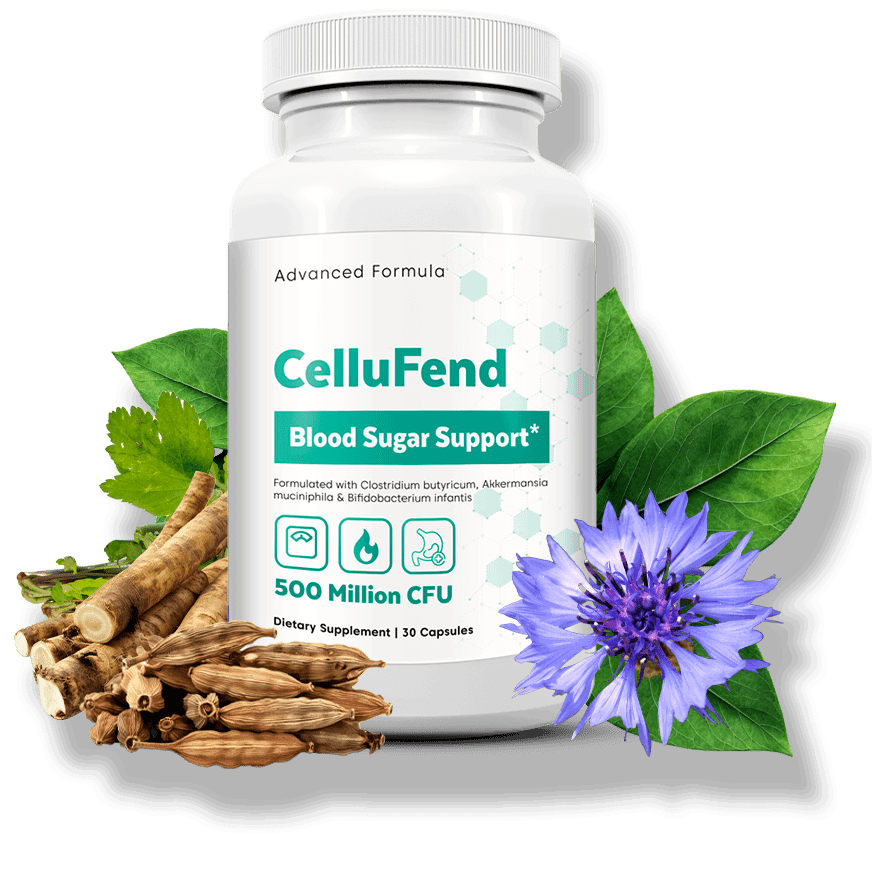
When we talk about blood sugar support, it’s hard not to mention CelluFend. This supplement has gained attention for its unique formulation that may help stabilize blood sugar levels.
The ingredients in CelluFend are designed to work synergistically to support glucose metabolism. People who use it often share positive reviews, noting that they feel more balanced in their energy levels and their blood sugar seems steadier throughout the day.
What’s interesting is that user feedback indicates a more holistic impact, with many mentioning improvements in overall well-being—not just blood sugar. This holistic approach is something I’ve seen resonate with many looking for natural solutions.
In Arizona, for example, I’ve heard from numerous folks who appreciate having a supplement like CelluFend as part of their daily routine to help manage blood sugar as well as general health.
So, while there are numerous options for blood sugar support, CelluFend seems to stand out to many users.
Holistic Approaches to Blood Sugar Management: Supplements and Lifestyle
Managing blood sugar effectively requires a multi-faceted approach. While supplements can be beneficial, lifestyle changes like diet and exercise can amplify their effects, leading to better overall health.
A 2021 study comparing combined lifestyle changes with supplements found that participants who made both adjustments saw better results in blood sugar control—up to a 30% improvement—compared to those who only relied on supplements.
This indicates that integrating supplements with a healthy diet and regular physical activity gives you the best shot at managing your blood sugar effectively. Each component plays a role, and together, they create a powerful synergy.
In Texas, for instance, many community programs encourage this holistic approach, emphasizing that a combination of mindful eating, movement, and supplementation is key for success.
So, if you're serious about blood sugar management, consider adopting a holistic strategy that incorporates both lifestyle changes and supplements.
📖 return to healthy blood sugar support resources: Healthy Blood Sugar Support: A Comprehensive 2026 Resource →
Key Takeaways
- Chromium and berberine are promising supplements for improving insulin sensitivity.
- Alpha-lipoic acid and magnesium play crucial roles in glucose metabolism.
- Cinnamon and vitamin D have been linked to better blood sugar control.
- Omega-3 fatty acids and soluble fiber can help stabilize blood sugar levels.
- A holistic approach combining supplements with lifestyle changes may yield the best outcomes.
References & Sources
- Chromium Picolinate and Blood Sugar Control — PubMed
- Berberine for Diabetes Management: A Meta-Analysis — PubMed
- Alpha-Lipoic Acid and Insulin Sensitivity — PubMed
- Magnesium Intake and Glycemic Control — PubMed
- Cinnamon Supplementation and Blood Sugar Levels — PubMed
- Vitamin D and Insulin Resistance: A Meta-Analysis — PubMed
- Omega-3 Fatty Acids and Insulin Sensitivity — PubMed
- Fiber Supplements and Blood Sugar Management — PubMed
Part of Our Complete Guide
Healthy Blood Sugar Support: A Comprehensive 2026 ResourceExplore the full guide for everything you need to know →